Industrial operations are becoming more connected than ever. Machines, sensors and software systems are continuously producing valuable operational data.
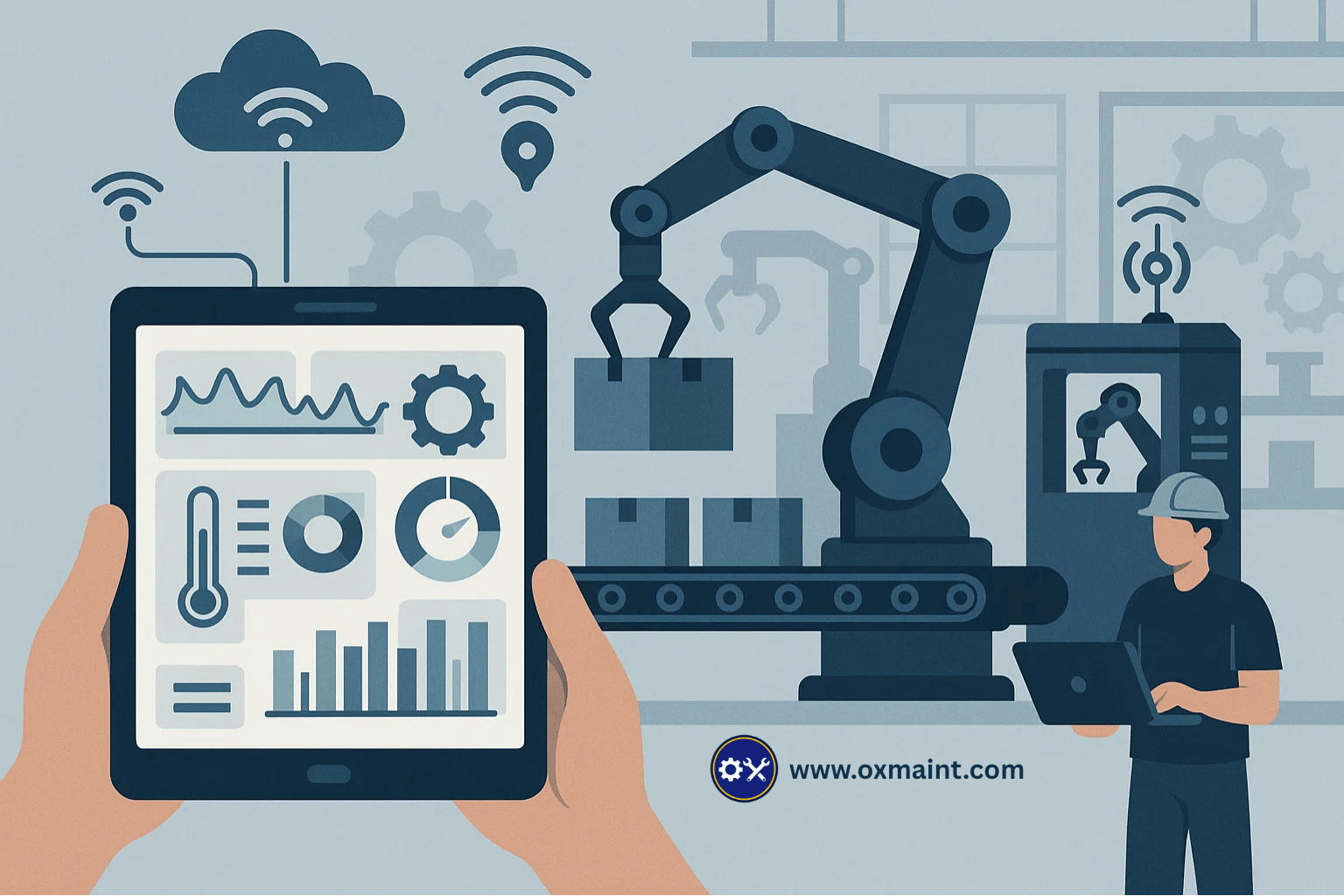
Industrial IoT turns this data into meaningful information. Connected devices can monitor equipment health, energy consumption, environmental conditions and production performance in real time.
What is Industrial IoT?
Industrial IoT, commonly known as IIoT, refers to the use of connected sensors, controllers, gateways and cloud platforms across industrial environments.
These technologies create a communication layer between physical equipment and digital applications.
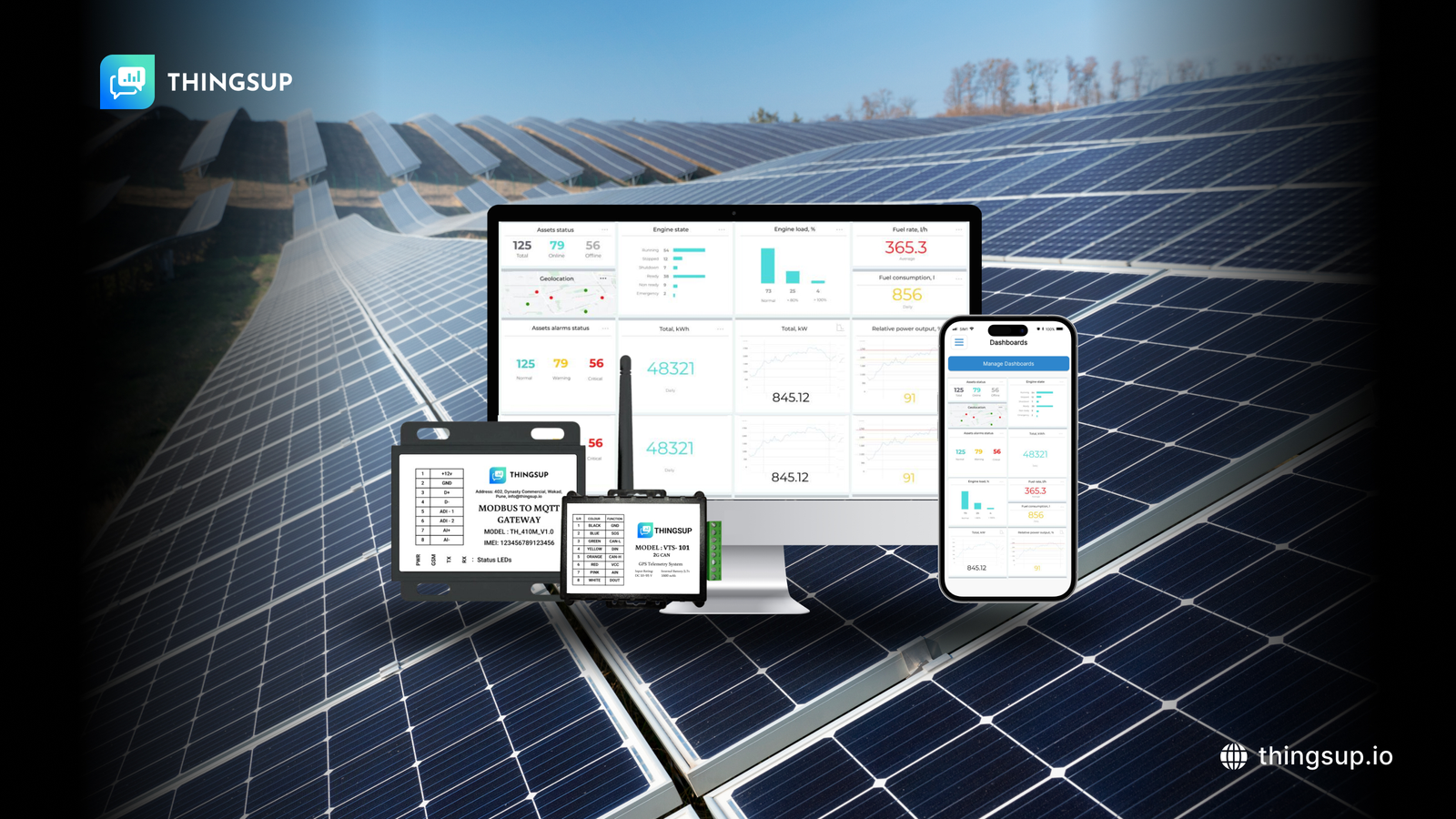 Connected industrial equipment can provide operational data continuously.
 Why industries are adopting IoT
Traditional industrial systems often depend on manual inspection and scheduled maintenance. IoT provides continuous visibility into these systems.
Real-time monitoring
Monitor equipment, environmental conditions and operational parameters continuously.
Predictive maintenance
Detect abnormal equipment behaviour before failures cause costly downtime.
Energy optimization
Understand where energy is being consumed and identify opportunities to reduce wastage.
Remote management
Monitor distributed facilities and equipment from a centralized platform.
Industrial IoT is not simply about connecting machines. It is about transforming operational data into better decisions.
The role of Edge AI
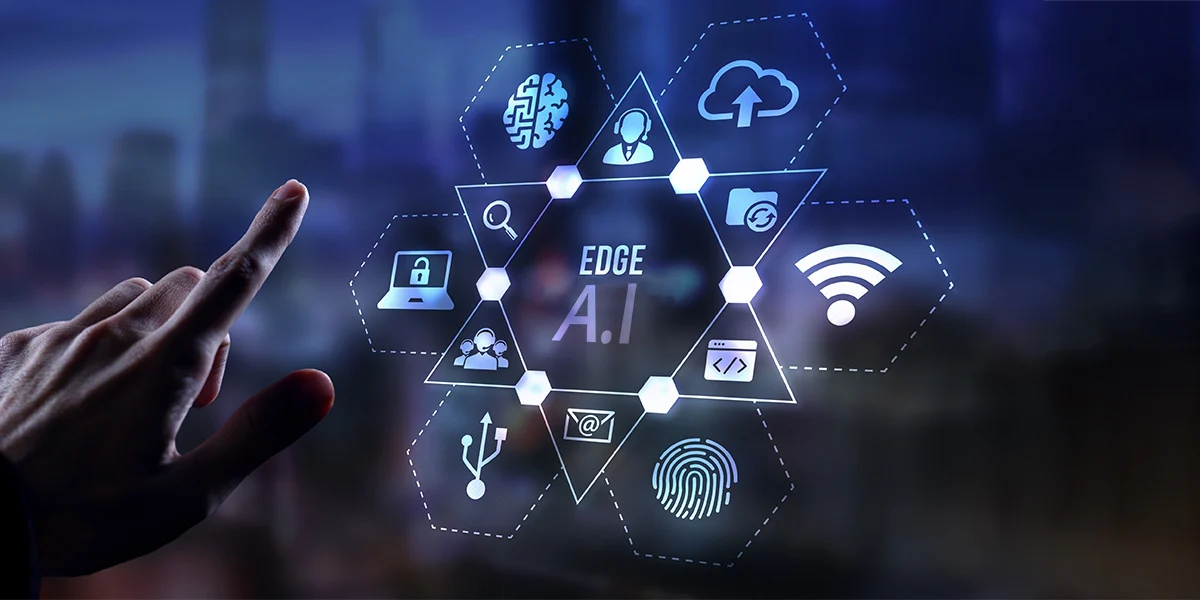
Edge computing allows some data processing to happen directly near machines and sensors instead of sending everything to the cloud.
Combined with AI, this enables faster anomaly detection, intelligent automation and more responsive industrial systems.
Conclusion
The combination of IoT, cloud platforms and intelligent analytics is changing how industrial facilities operate. Businesses gain greater visibility, faster response times and opportunities to automate previously manual processes.